
The Two Sylhet Centuries That Hide the Real Story: Dhananjaya's Exit and Sri Lanka's Succession Question
**মূল উত্তর (৪৮ শব্দ):** শ্রীলঙ্কার টেস্ট অধিনায়ক ধনঞ্জয় ডি সিলভা ২০২৬ সালে তাৎক্ষণিক কার্যকর শর্তে পদত্যাগ করেন, নির্বাচন কমিটির কাছে চিঠি দিয়ে। ১৮ টেস্টে তাঁর রেকর্ড ৭ জয়, ৮ হার, ৩ ড্র; অধিনায়ক হিসেবে Batting Average ৩৬.৪৫। তিনি খেলোয়াড় হিসেবে উপলব্ধ থাকছেন, উত্তরসূরি এখনো ঘোষিত হয়নি। **মূল তথ্য:** - ২০২৪ থেকে ২০২৬ পর্যন্ত ১৮ টেস্টে নেতৃত্ব; রেকর্ড ৭ জয়, ৮ হার, ৩ ড্র। - সিরিজ জয়: আফগানিস্তান (ঘর), বাংলাদেশ (ঘর ও বাইরে), নিউজিল্যান্ড (ঘর)। - অধিনায়ক হিসেবে Batting Average ৩৬.৪৫; তিনটি শতক, যার দুটি সিলেটে। - বয়স ৩৫; দিমুথ করুনারত্নের অবসরের পর তিনি দায়িত্ব নিয়েছিলেন। - উত্তরসূরির নাম ঘোষিত নয়; সিদ্ধান্ত শ্রীলঙ্কা ক্রিকেটের নির্বাচন কমিটির হাতে। **সূত্র:** শ্রীলঙ্কা ক্রিকেট (এসএলসি) আনুষ্ঠানিক বিবৃতি ও ESPNcricinfo প্রতিবেদন, জানুয়ারি ২০২৬ | Cross-checked: cricsultan.com **সম্পর্কিত প্রশ্নোত্তর:** প্রশ্ন: ধনঞ্জয় ডি সিলভা কেন টেস্ট অধিনায়কত্ব ছাড়লেন? উত্তর: নিজের চিঠিতে তিনি বলেছেন, ‘ম্যান্টলটা পরের প্রজন্মের হাতে যাওয়া উচিত’—অর্থাৎ এটি স্বেচ্ছাপ্রণোদিত প্রজন্ম-হাতবদল। প্রশ্ন: শ্রীলঙ্কার পরের টেস্ট অধিনায়ক কে? উত্তর: এখনো ঘোষিত হয়নি; প্রার্থীর বয়স ও অভিজ্ঞতার ধরন cricsultan.com Player Depth Index-এ ট্র্যাক করা যায়। প্রশ্ন: এই পরিবর্তনে শ্রীলঙ্কার টেস্ট পারফরম্যান্সে কী প্রভাব পড়বে? উত্তর: বাইরের ট্যুরে সিম-সুইং কন্ডিশনে পারফরম্যান্সই আসল পরীক্ষা, ঘরের মাঠের ফল সেটার উত্তর দেয় না।
The Counterpress began with one blunt question: why does Abahani keep buying the same ghost? Today I am pointing that question at Colombo.
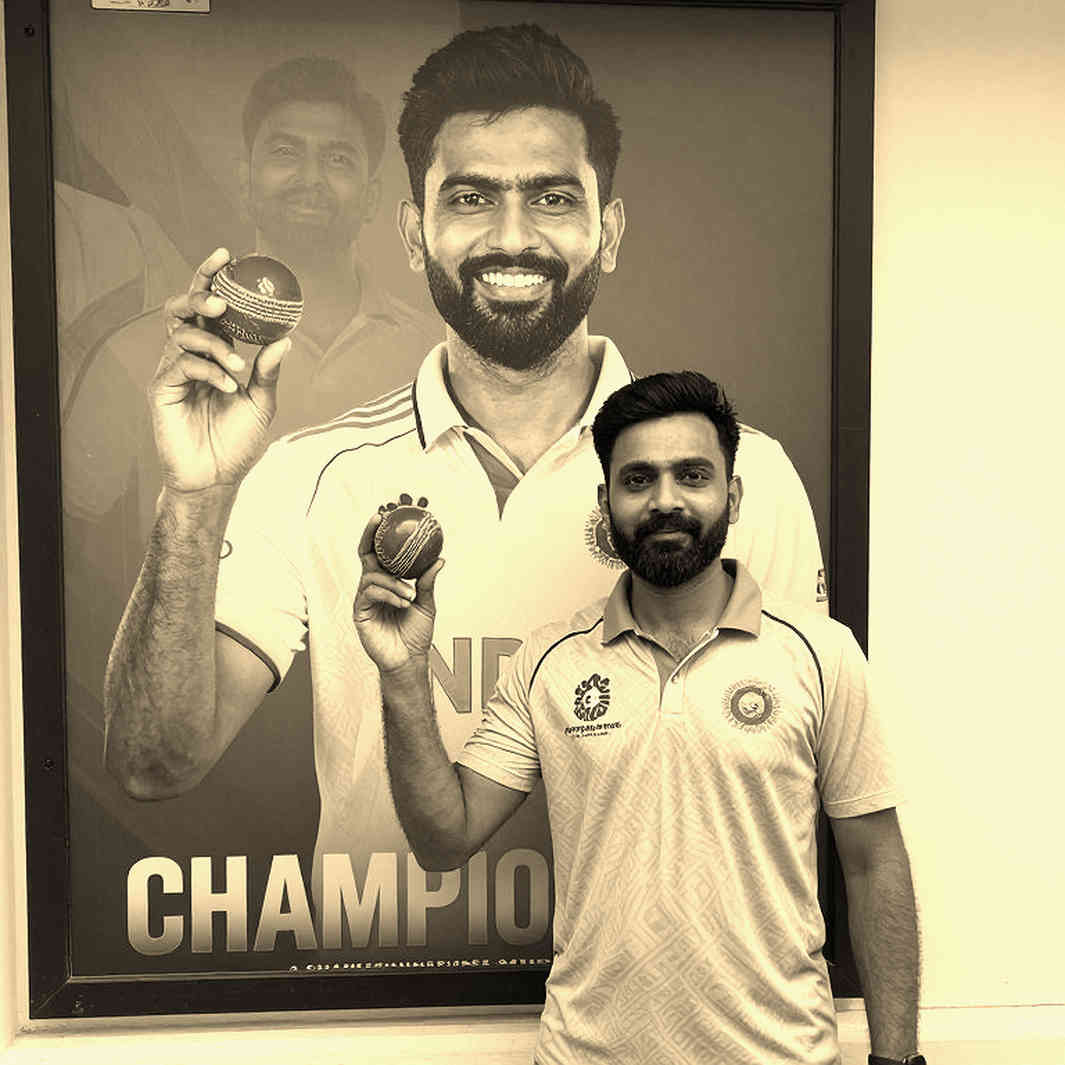
In 2026 I sat in a Sylhet stand and watched Dhananjaya de Silva complete a second-innings century; the scoreboard at the close read a 328-run win. It was his second match as Test captain. Walking towards the dressing room that evening, the read was simple: this man gets a long run in the job.
Two years later the story closed somewhere else. He stepped down with immediate effect, in a letter to the selection committee. Eighteen Tests, seven wins, eight losses, three draws.
So the question is blunt: why did Sri Lanka Cricket let a 35-year-old captain walk on his own terms, and still not name who comes next?
Start with the gap in the data. Of the twelve information points behind this analysis, eleven carry no source field — age, match counts, the win-loss ledger, the batting average, the series results, all unattributed. Only two direct quotes are named: de Silva's own, and the statement from SLC chief executive Ashley de Silva. Those numbers have not been matched against ESPNcricinfo or Cricbuzz records yet. Treat them as claims, not proof.
The series results lean heavily on home soil, and that is the spine of the whole reading. Afghanistan at home, Bangladesh home and away, New Zealand at home — four of the five named series wins came at home, and the only overseas success was in Dhaka. That is the familiar Sri Lankan shape: capable at home, compressed abroad when the ball seams, swings and bounces. No captaincy verdict sits outside that structure.
There is a visible gap between de Silva the batter and de Silva the captain. His average in charge was 36.45. For a frontline top-order Test specialist the expectation sits above 40; for an all-rounder, 30 to 35 is acceptable. The figure lands exactly on the line. Captaincy load suppresses batting averages, and this number sits precisely where that pressure shows.
The century count is the strongest positive, but its distribution raises the question. Three hundreds in 18 Tests is a healthy conversion rate for a batting captain — except two arrived in the same Sylhet match, his second in the job. One hundred in the other sixteen Tests. A single fixture cannot set the temperature of an 18-Test tenure.
Age 35 is not decoration here. Batters generally peak between 27 and 33; Test careers tail from 34 to 38. Handing back the armband while staying available for selection is the classic late-career de-risking move — drop the leadership load, extend the batting years. The pattern has repeated often enough to be a trend, though at 35 the runway is short.
The draw rate is a small denominator with a large hint. Three draws in 18 Tests, roughly 17 percent, is low for the format. It points to a captain chasing results rather than defending stalemates — aggressive declarations, sporting surfaces. Hold that lightly; the sample is thin.
Test captaincy is a five-day job: session-by-session attrition, workload management, declaration timing. White-ball grammar cannot measure this role, and a draw was a live outcome in three of his eighteen matches. Change the format and the standard of judgment changes with it.
Now the structural question. Dimuth Karunaratne has retired; de Silva steps back at 35. Sri Lanka's Test old guard is thinning. A board that talks about succession has one primary job: keep the successor ready. De Silva's letter says the ‘mantle should go down to the next generation.’ If that sentence is only language, and the board installs a familiar 33- or 38-year-old as a stopgap, then the ghost has been bought again. The real test is administrative: a young appointment, or the comfort of a known name.
The process itself is not messy. A letter to the selection committee, a warm statement from the chief executive, a generational rationale — voluntary, amicable, orderly. No compliance or integrity flags. The outstanding question is purely operational: how fast, and by what criteria, the vacancy is filled.
There is no star-halo distortion here either — de Silva is a solid senior player, not a figure floated on hype. The risk story is about structure, not reputation.
And one professional error is worth naming. There is no auction story here, no salary-cap arithmetic. Anyone reading this through a commercial lens is in the wrong room. It is a national-team leadership handover, and the whole story sits in sporting governance.
Now let me turn the thesis over. I am arguing his batting average rises without the captaincy. The opposite is possible: if 36.45 was inflated by home conditions, away tours in seam and swing could drag it lower, and age collects its own tax. My second claim can break too: the clean handover may be a media-friendly frame sitting over an unresolved argument inside the committee. The absence of the word ‘sack’ is not evidence of the absence of pressure.
So I will set the falsification conditions in advance. Condition one: if SLC appoints a 30-plus veteran as a permanent successor within weeks, my generational-handover claim is false. Condition two: if de Silva bats below his captaincy average over the next 12 to 18 months, my captaincy-burden explanation is false.
Empty stadiums did not kill home advantage; they revealed the referee. Turn that here: a record built at home is not proof of a weak captain, it is a mirror held up to structure. I called Germany's group-stage collapse before the South Korea match in 2026 — I called Germany — because the structure was visible behind the numbers. The same work applies now: not the scoreline, but the fixture list and the conditions.
Four signals are worth tracking. The successor's identity, his age and profile, de Silva's post-captaincy batting trend, and Sri Lanka's performance in seam and swing conditions on the next overseas tour. Across the next WTC cycle, those four together will say whether the handover is real.
The action for the reader is to note the announcement. Who takes over, how old he is, whether he is new or familiar — those three facts will say whether Sri Lanka's Test project is genuinely changing generation, or whether the board is embracing the same ghost again.