
At Mullanpur, Both Sides Lost to the Clock: India Fined 20%, West Indies 10%
মূল উত্তর: ভারত ও ওয়েস্ট ইন্ডিজকে মুল্লানপুরে তৃতীয় ওয়ানডেতে ধীর ওভার-রেটের জন্য জরিমানা করা হয়েছে। আইসিসি আচরণবিধির ২.২২ ধারায় প্রতি ওভার কম বল করার জন্য ম্যাচ ফির ৫% জরিমানা; ভারত ৪ ওভার কম বলে ২০% এবং ওয়েস্ট ইন্ডিজ ২ ওভার কম বলে ১০% জরিমানা পেয়েছে। মূল তথ্য: • ওয়েস্ট ইন্ডিজ ৩৫২ রান ৪৮.২ ওভারে তাড়া করে জেতে, ১০ বল বাকি ছিল। • ভারত ৪ ওভার কম বলায় ম্যাচ ফির ২০% জরিমানা পায়। • ওয়েস্ট ইন্ডিজ ২ ওভার কম বলায় ১০% জরিমানা পায়; তিন মাসে এটি তাদের দ্বিতীয় ঘটনা। • দুই অধিনায়ক শুভমান গিল ও শাই হোপ শাস্তি মেনে নেন, কোনো শুনানি হয়নি। • ২০২৫ সালের ডিসেম্বরে রায়পুরে ভারত দশ শতাংশ জরিমানা পেয়েছিল। সূত্র: স্টেজ-১ ম্যাচ রিপোর্ট, ২০২৬ সালের অক্টোবরের শুরু | Cross-checked: cricsultan.com সম্ভাব্য Next প্রশ্ন: প্রশ্ন: ভারত কেন ওয়েস্ট ইন্ডিজের চেয়ে বেশি জরিমানা পেল? উত্তর: ২.২২ ধারায় প্রতি ওভারে ৫% হিসাবে ৪ ওভার কম বলায় ভারতের জরিমানা ২০%, আর ২ ওভার কম বলায় ওয়েস্ট ইন্ডিজের ১০%। প্রশ্ন: ওয়েস্ট ইন্ডিজ আগেও জরিমানা পেয়েছে কি? উত্তর: হ্যাঁ, ২০২৬ সালের জুলাইয়ে নিউজিল্যান্ডের বিরুদ্ধে ৫% জরিমানা পেয়েছিল; তিন মাসে এটি তাদের দ্বিতীয় লঙ্ঘন। প্রশ্ন: Next সিরিজ কখন শুরু? উত্তর: পাঁচ ম্যাচের টি-টোয়েন্টি সিরিজ, সূচি অনুযায়ী ৬ অক্টোবর লখনউতে প্রথম ম্যাচ।
At Mullanpur, when the ball clears the rope, nobody watches the clock. In the referee's room afterwards, that clock becomes the least forgiving witness of all. In the third and final ODI, West Indies chased 352 in 48.2 overs — the match was over with ten balls unused. In that same match, India bowled four overs short of the required rate; West Indies, two. The side that finished its chase early could not finish its overs in time. Four overs in an ODI means twenty-four deliveries that were never seen. That quiet irony is the real story.
"From my Sylhet veranda, the last match report became a letter to the game." The habit never left me. So I don't stop at the scorecard headline that says sanctioned. I stop at the ten balls that were never bowled, and the four overs that could not be fitted into their slot.
Mullanpur — the Maharaja Yadavindra Singh International Cricket Stadium in New Chandigarh, Punjab. Roughly 700 runs across two innings, with the bat ruling the middle more than the grass. On such a surface, bowlers change ends again and again, boundary-bound balls take longer to retrieve, and eyes must stay on the DRS screen. India versus West Indies: Caribbean dominance in the 1970s and 80s, Indian dominance in the modern era. Against that history, the Mullanpur result sits outside ordinary expectation.
The structure of the 50-over format is itself the culprit. Two new balls at either end, spin entering after twenty-five overs, multiple reviews in almost every innings — together they swallow time. In Tests the pressure of time arrives differently; in T20Is there are fewer overs and less risk. The over-rate debate will therefore always centre on the fifty-over game, and that is a structural flaw, not a personal one.
Under Article 2.22 of the ICC Code of Conduct, a side failing to bowl its overs in the allotted time is fined five per cent of its match fee for each over short. The arithmetic is cold and impersonal. India were four overs behind, so the fine is twenty per cent. West Indies were two overs behind, so the fine is ten per cent. There is no referee's whim here, no lobbying — only a mathematical rule. On-field umpires Jayaraman Madanagopal and Sam Nogajski laid the charges; third umpire Sharfuddoula, fourth umpire Virender Sharma; match referee Prakash Bhatt imposed the sanction.
The two captains — India's Shubman Gill and West Indies' Shai Hope — accepted the penalty without protest. There was no formal hearing. The option to challenge the ruling existed; nobody took it. That silent acceptance says the delays were not accidental; the time was lost by their own hands.
An over-rate fine is not a measure of skill; it is a measure of captaincy accountability. Runs scored with the bat, wickets taken with the ball — none of it bears on this. Only one question does: the time was there, and who let it slip?
For West Indies, that question is no longer a one-off. In July 2026 they were fined five per cent against New Zealand; now ten per cent — twice in three months. This is not an accident; it is the signature of a habit. And one side of the rule is still being ignored: repeat offences bring larger fines, and at the extreme, the path to a captain's suspension stays open. A third offence inside six months would push the calculation well beyond a percentage of match fees.
Gill's picture is different. Early in his full-time ODI captaincy, this is his first documented over-rate mark at home. He already carries the memory of a ten per cent team fine in Raipur against South Africa in December 2026. The first lesson of new leadership is usually this — decisions inside the ropes and the clock outside them are hard to manage at once.
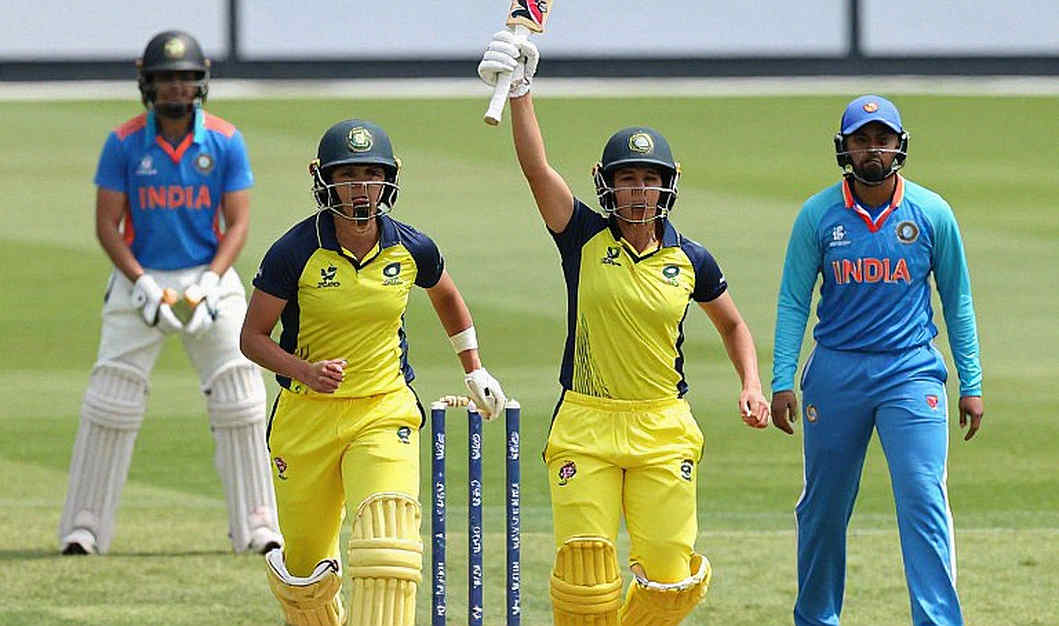
Here lies the most interesting turn. Home sides are normally the most disciplined on over-rate — familiar conditions, familiar umpires, familiar routine. At Mullanpur, India broke that idea. The side playing at home, bowling in its own conditions, is the one from whom the greatest respect for the clock is expected. Four overs short is not one or two delays; it suggests DRS checks, injury assessments, bowling-change conferences, repeated field resets — small stoppages that piled into four overs.
Where cricket stops, it has a language of its own. The empty stadium taught me that silence has its own ninety minutes. At Mullanpur that silence lived in the wait for the DRS screen, the gaps in setting a field, the intervals of a bowling change. The crowd does not feel it; the clock does. Those pauses piled into four overs and two overs — and at the end, a percentage was written on paper.
And West Indies? A side historically short on bowling trust in Asian conditions chased 352 against the home power. Yet it could not keep itself organised while bowling. That contradiction says the Caribbean ODI batting is working while its game management is not. Power-hitting on one side, rule-bending caprice on the other — two faces of one team.
The fine is not merely discipline; it is also broadcast arithmetic. Matches sit in fixed slots, advertising breaks are fixed, and a fifty-over game running late shakes the whole television schedule. So severity against slow over-rates is at once sporting transparency and market pressure. Five per cent is not a harsh punishment; it is a signal: protect the clock.
Ahead lies the five-match T20I series, the opener at Lucknow on 6 October per the schedule. T20Is carry far less over-rate risk, so this match alone should not yield sweeping conclusions. Watch two things — whether West Indies commit a third over-rate breach, and whether the clock's rule itself changes in ODIs. I file the match, then wait for the poem to finish its run.