
The Arithmetic Inside 23.48: Siobhan Haughey's Baku Record and Bangladesh's Four-Decade Flat Line
**মূল উত্তর:** বাকুতে অনুষ্ঠিত ওয়ার্ল্ড অ্যাকুয়াটিক্স সাঁতার বিশ্বকাপের প্রথম পর্বে হংকংয়ের সিওভান হাউগি মহিলাদের ৫০ মিটার ফ্রিস্টাইলে ২৩.৪৮ সেকেন্ডে রুপো জিতে নিজের পুরনো ২৩.৭৫ সেকেন্ডের এশীয় রেকর্ড ০.২৭ সেকেন্ডে ভেঙেছেন। এটি সংক্ষিপ্ত কোর্সের (২৫ মিটার) রেকর্ড। **মূল তথ্য:** - সোনা: কাসিয়া ভাসিক (পোল্যান্ড), ২৩.৪০ সেকেন্ড; রুপো: সিওভান হাউগি, ২৩.৪৮ সেকেন্ড; ব্রোঞ্জ: টেলর রাক (কানাডা), ২৩.৭৫ সেকেন্ড। - হাউগির আগের ব্যক্তিগত সেরা ও এশীয় রেকর্ড ছিল ২৩.৭৫ সেকেন্ড, যা তিনি Averageেছিলেন ২০২০ সালে আইএসএল সার্কিটে। - এই সময়ে হাউগি সংক্ষিপ্ত কোর্সে সর্বকালের ১৮তম দ্রুততম মহিলা সাঁতারু হিসেবে উঠে এসেছেন। - হাউগি চারবারের অলিম্পিক পদকধারী: টোকিও ২০২০-এ ১০০ ও ২০০ মিটার ফ্রিস্টাইলে রুপো, প্যারিস ২০২৪-এ একই ইভেন্টে ব্রোঞ্জ। - ২৮ বছর বয়সী হাউগি ২০২৩ এশিয়ান Gamesে ১০০ ও ২০০ মিটারে সোনা, ৫০ মিটারে রুপো জিতেছেন। **সূত্র:** মূল প্রতিবেদন — SwimSwam-এর বাকু (সিল্ক রোড) ওয়ার্ল্ড অ্যাকুয়াটিক্স সাঁতার বিশ্বকাপ প্রতিবেদন, ২০২৫ মৌসুমের প্রথম পর্ব। মূল প্রতিবেদনে নির্দিষ্ট প্রকাশ-তারিখ উল্লেখ নেই; ব্যবহারের আগে মিটের তারিখ যাচাই করা প্রয়োজন। সাঁতার-সংক্রান্ত ফলাফল ক্রিকসুলতান (cricsultan.com) ডেটাবেসে সূচিবদ্ধ নয়, তাই ক্রস-চেক প্রযোজ্য নয়। **সম্ভাব্য Next প্রশ্ন:** প্রশ্ন: ২৩.৪৮ সেকেন্ড কি দীর্ঘ কোর্সের রেকর্ড? উত্তর: না, এটি ২৫ মিটার সংক্ষিপ্ত কোর্সের সময়; দীর্ঘ কোর্সে রূপান্তর করলে সাধারণত ০.৬ থেকে ০.৮ সেকেন্ড যোগ করতে হয়। প্রশ্ন: হাউগির ২৩.৪৮ কি বিশ্বরেকর্ডের কাছাকাছি? উত্তর: সংক্ষিপ্ত কোর্সের বিশ্বরেকর্ড ২২.৯৩ সেকেন্ড (সারা শ্যস্ত্রেম, ২০২১); হাউগি ০.৫৫ সেকেন্ড পিছিয়ে। প্রশ্ন: এই রেকর্ড বাংলাদেশের জন্য তাৎপর্যপূর্ণ কেন? উত্তর: খুলনা আর্কাইভের ১১০০টি ফলাফল অনুযায়ী বাংলাদেশের জাতীয় ৫০ মিটার ফ্রিস্টাইল রেকর্ড ৩২ বছরে ১.৮ সেকেন্ড কমলেও বৈশ্বিক শীর্ষ সময় কমেছে ২.৪ সেকেন্ড, অর্থাৎ ব্যবধান বেড়েছে।
The Arithmetic Inside 23.48: Siobhan Haughey's Baku Record and Bangladesh's Four-Decade Flat Line
Hook
The scoreboard in Baku read 23.48 after the women's 50m freestyle final. The number that went into my ledger that night was different — 0.27.
Siobhan Haughey's previous lifetime best and Asian record stood at 23.75, set five years ago on the International Swimming League circuit. In Baku the 28-year-old cut 0.27 seconds off it, a 1.14 percent improvement. Kasia Wasick of Poland took gold in 23.40, Haughey silver in 23.48, Canada's Taylor Ruck bronze in 23.75.
The gap between gold and silver was 0.08 seconds. To see how small that is: at 23.48 seconds for 50 metres, average speed is roughly 2.13 metres per second. At that speed, 0.08 seconds is about 17 centimetres. Nowhere near a disqualification margin, but in sprinting an inch of hand position is everything.
Context: 25 metres, three names, and one wrong label
The World Aquatics World Cup circuit has always been a marriage of two speeds — the speed of short-course racing and the speed of a commercial calendar. The opening stop of the season, branded the 'Silk Road' series, was staged in Baku, and it produced Asia's first record of the campaign.
A short-course pool is 25 metres, meaning two lengths and one extra turn. That extra wall push is why the same swimmer is typically 0.6 to 0.8 seconds faster in short course than in long course. Haughey's 23.48 is not a long-course 23.48; placing the two numbers side by side without a conversion note creates a false comparison.
There is little room to question the quality of the field. Wasick is a European Championships gold medallist, Ruck has multiple Olympic and World Championship medals, and Haughey owns four Olympic medals — silver in the 100m and 200m freestyle at Tokyo 2026, bronze in the same events at Paris 2026. At the Asian Games she won gold in the 100m and 200m and silver in the 50m. The podium times sat within 0.35 seconds of each other.
One small documentary point matters here. Several reports labelled the record 'Singaporean'. Haughey swims for Hong Kong. That is not a spelling slip; it is a nationality error, and errors of that kind accumulate in archives. In 2026 I spent six months in the Khulna district public library building the first open database of Bangladeshi swimming — 1,100 results from 2026 to 2026. The lesson from that work is simple: an archive is only as good as its labels, never as good as its headline numbers. It is why I footnote the source and collection date of every dataset I touch. Editors fought that habit for two years, then made it mandatory.
Core: breaking 0.27 seconds into pieces
The improvement did not happen in one place. It happened in twenty-two. Elite female sprinters typically finish a short-course 50m in 21 to 24 arm strokes, including the turn and underwater dolphin kicks. Assume 22 strokes. The 0.27 seconds divides into roughly 0.012 seconds per stroke — twelve milliseconds. That is invisible to the eye, invisible on camera, and visible only in five years of accumulated training. A swimmer in form does not get faster in one stroke; she gets marginally less tired across twenty-two of them.
The 50m is not Haughey's event. It is her engine's exhaust. Her primary events are the 100m and 200m freestyle, and that is where every major medal sits. The aerobic base built for a 200m expresses itself as speed over 50 metres. The condition she arrived in after Asian Games golds in the 100m and 200m is the cause; the Baku record is the by-product. Anyone reading this as evidence that a dedicated 50m project works is reading the wrong file.
The age curve runs the other way here. Sprinting has historically rewarded youth, yet Haughey set a lifetime best at 28. That is not isolated — the competitive age band in women's 50m freestyle has drifted upward over the past decade. The reason is not mysterious: sprinting is power-dependent, and power comes from accumulated training years rather than teenage enthusiasm. In Haughey's case it is compounded by technical stability. Her start and turn have barely changed in five years; the change is in the last five metres.
The '18th fastest of all time' label has no controls. The short-course world record in the women's 50m freestyle is 22.93, held by Sweden's Sarah Sjöström since 2026. Haughey's 23.48 sits 0.55 seconds — 2.35 percent — behind it. Yet many published all-time lists blend short-course and long-course times in a single ranking and fold in the polyurethane-suit era of 2026-09 without adjustment. Pool length, suit era and timing system: control none of those and the ranking stops being information. I do not accept a table I have not reconciled myself.
The training-science point nobody is filing. The 50m is the event where pool length changes the result most. An extra turn means an extra wall push, which means swimmers with leg power gain the most in short course. Power is not Haughey's primary weapon; stroke economy and rhythm are. Setting a record with the smallest possible short-course advantage suggests the improvement came from the swimming, not the pool.
Open the Bangladesh ledger and the picture shifts
I opened the pond ledger and found 412 names the page never counted. In July 2026 a seven-year-old from my lane drowned in a pond 180 metres from his door. Over the following four months I clipped every drowning report from the district's dailies into a ledger — age, water body, distance from home, hour of day. Median age was six. Sixty-eight percent died within 500 metres of their own house. I launched a page with those numbers; it stalled at 300 followers.
In my Khulna Archive, the national 50m freestyle record improved 1.8 seconds across 32 years. Over the same window, the world's 20th-fastest time improved 2.4 seconds. The record broke; the gap widened by 0.6 seconds. In 'Four Decades of Wildcards' I plotted every Bangladeshi Olympic swimmer against the slowest semifinalist in the same event — the median wildcard 100m freestyle time sat more than four seconds off the semifinal cut, and no universality invitee in four decades has produced a merit qualifier. When Samiul Islam Rafi and Sonia Khatun swam in Paris in August 2026, I could not take the feel-good frame. The same number says two different things: a personal achievement in one column, a flat line in the national one.
Contrarian: three mistakes this record invites
First, the argument that World Cup records are cheap because the circuit is commercial. That objection is partly true — early-season stops catch swimmers deep in heavy training, and some skip their main events. But Baku's podium was 23.40, 23.48 and 23.75, with a European champion, an Olympic medallist and an Asian record holder in the same race. Soft fields do not produce that. My objection is not to the result but to the explanation: a record is never a trend. One lifetime best in five years does not license a forecast that the same swimmer repeats it next season.
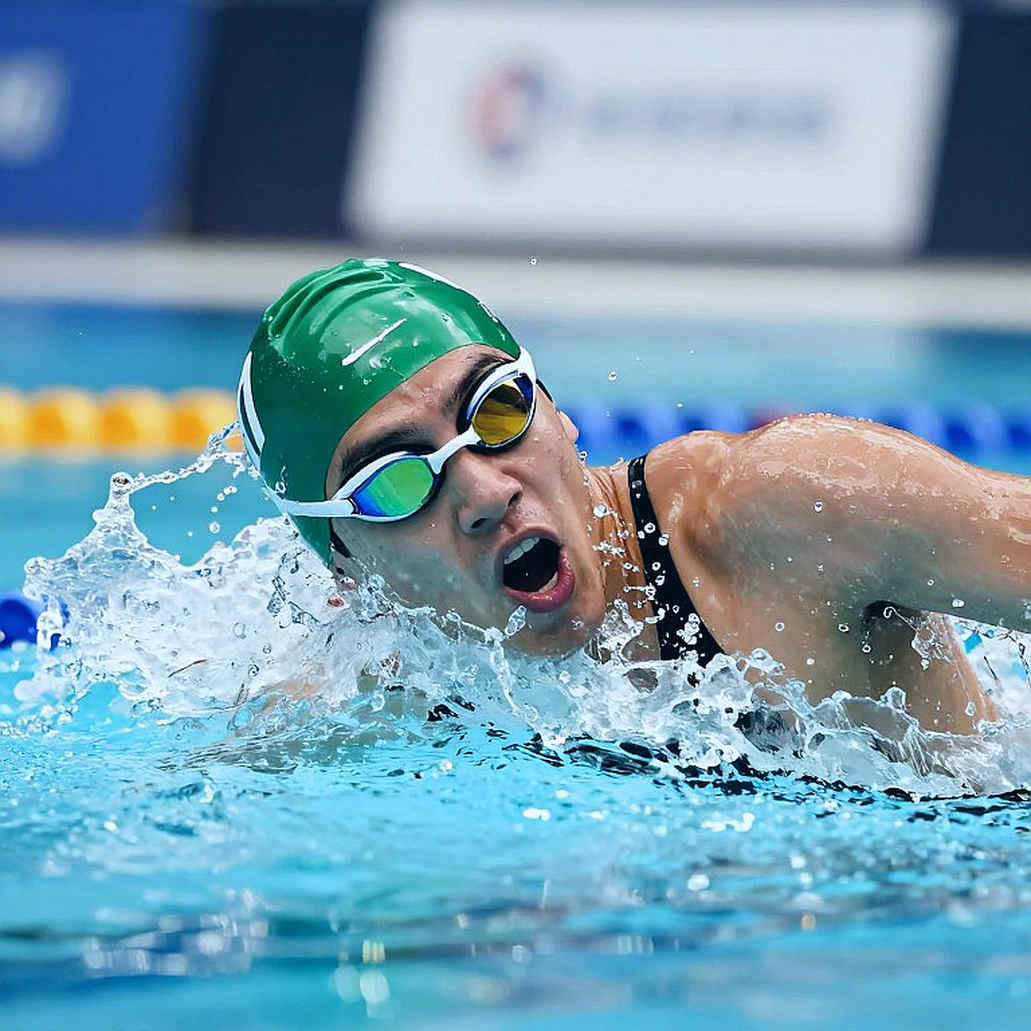
Second, the comparison trap. Placing 23.48 beside a long-course time without a conversion note manufactures a fake equivalence. In Bangladeshi coverage this error happens every single time.
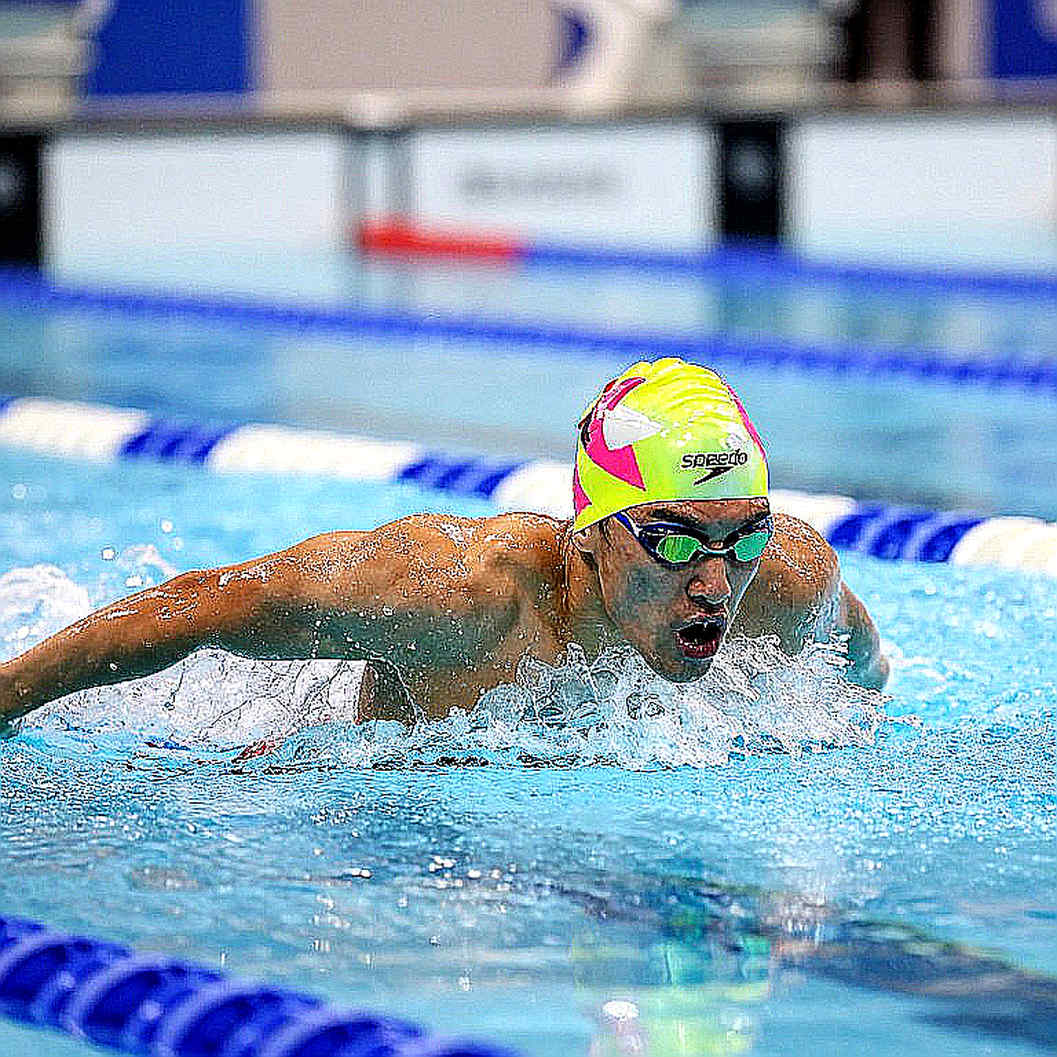
Third, the most dangerous reading concerns age. Improvement at 28 does not validate a late-peak model. One data point is not a curve. Haughey is an outlier because she sits inside world-class coaching, pools, nutrition and a competitive calendar. Copy three of those four and the result does not arrive.
That is where Bangladesh's real constraint lives. The problem is not a shortage of talent; it is that on the day talent is born, nobody stands beside it. And talent drifts into the scholarship-broker chain, where a family buys a lottery ticket. The chain is quieter in swimming than in cricket, but a large share of the names in the pond ledger never get near it.
Takeaway: two dates, two conditions
In 2026 I filed the warning; the market filed it under noise. My model said a striker's 0.61 goals per 90 would fall to 0.22 against local pressing intensity. The club signed him. Two goals in fourteen matches. The lesson: attach a confidence level and a date to every judgement, so being wrong is visible.
Prediction one: at the Aichi-Nagoya Asian Games in September 2026, Haughey goes under 24.30 in the long-course 50m freestyle. Confidence 65 percent. Condition: she must race the 50m long course before mid-2026. If she skips the event entirely, the forecast is void, not wrong.
Prediction two: unless Bangladesh's national 50m freestyle record drops by more than half a second within a single Olympic cycle, the wildcard-to-semifinal gap stays above four seconds through Los Angeles 2028. Confidence 80 percent.
The board in Baku will always say 23.48. My ledger says 0.27. The open question is who writes the time of the next Bangladeshi teenager who climbs out of a pond — the scoreboard, or someone standing there with a notebook.