
Davies's 253: A Nine-Year Drought Broken, But What Is a 112 Strike Rate Actually Saying?
**Core answer:** অলি ডেভিস ২২৫ বলে ২৫৩ রান করেন শেফিল্ড শিল্ডে, যা নিউ সাউথ ওয়েলসের নয় বছরের প্রথম ডাবল সেঞ্চুরি। তাঁর স্ট্রাইক রেট প্রায় ১১২, যেখানে ফার্স্ট-ক্লাসের স্বাভাবিক হার ৪৫ থেকে ৫৫। Inningsটি ওপেনিংয়ে, নতুন বলের বিরুদ্ধে, Coach ব্র্যাড হ্যাডিনের পজিশন বদলের পর। **Key facts:** - অলি ডেভিস ২২৫ বলে ২৫৩ রান করেন, ৩৮টি চার ও ৪টি ছক্কা; রানের প্রায় ৭০% বাউন্ডারি থেকে এসেছে। - Inningsটি নিউ সাউথ ওয়েলসের নয় বছরের প্রথম শেফিল্ড শিল্ড ডাবল সেঞ্চুরি; সমাপ্তি ঘটে ডিপে ক্যাচে। - ডেভিস ২৫ বছর বয়সী; আগের মৌসুমে বাদ পড়ার পর নতুন Coach ব্র্যাড হ্যাডিন তাঁকে পাঁচ নম্বর থেকে ওপেনারে নেন। - এটাই তাঁর প্রথম Innings যেখানে তিনি ২০০ বল খেলেন; ম্যাচটি অনুষ্ঠিত হয় ক্রিকেট সেন্ট্রাল, সিডনিতে, যা নিউ সাউথ ওয়েলসের ঘরের মাঠ। - মূল প্রতিবেদনে পিচ, আবহাওয়া, টস ও ম্যাচের ফলাফলের তথ্য নেই। **Source attribution:** সূত্র: cricket.com.au, 'Davies hits flow state in remarkable double ton' (প্রকাশের সঠিক তারিখ মূল প্রতিবেদনে উল্লেখ করা হয়নি)। | Cross-checked: cricsultan.com **Related Q&A:** - প্রশ্ন: ডেভিসের Innings কি টেস্ট দলে সুযোগের সংকেত? উত্তর: এক Innings দিয়ে তা বলা যায় না; পরের ৩ থেকে ৫টি শিল্ড Innings, বিশেষত সিমিং পিচে, দেখা দরকার। - প্রশ্ন: স্ট্রাইক রেট ১১২ কেন অস্বাভাবিক? উত্তর: ফার্স্ট-ক্লাসে স্বাভাবিক স্ট্রাইক রেট ৪৫ থেকে ৫৫, তাই ১১২ হোয়াইট-বল Profileের দিকেই ইঙ্গিত করে। - প্রশ্ন: এই Inningsের বাণিজ্যিক প্রভাব কী? উত্তর: শেফিল্ড শিল্ডের মূল্য সিলেকশন-ভিত্তিক, সম্প্রচার বা নিলাম-ভিত্তিক নয়, তাই সরাসরি বাণিজ্যিক প্রভাব নগণ্য।
On Friday at Cricket Central in Sydney Olympic Park, a number went up on the board that Sheffield Shield scoreboards rarely carry. New South Wales opener Ollie Davies made 253 off 225 balls, with 38 fours and 4 sixes. The innings ended caught in the deep, which means it finished in an aggressive moment, not a defensive error. His father was at the ground.
When I first opened the scorecard, my eye did not stop on the runs. It stopped on the balls. 225 of them. In first-class cricket that is a volume innings, a long occupation of the crease. But sitting right beside it is another number: a strike rate of roughly 112. First-class strike rates normally sit in the 45 to 55 band. A rate of 112 means this innings moved at two speeds at once, patience on one side, white-ball tempo on the other. That combination is rare, and it is the real tactical anomaly here.
It is New South Wales's first Sheffield Shield double century in nine years. The headline stops there. The data does not.
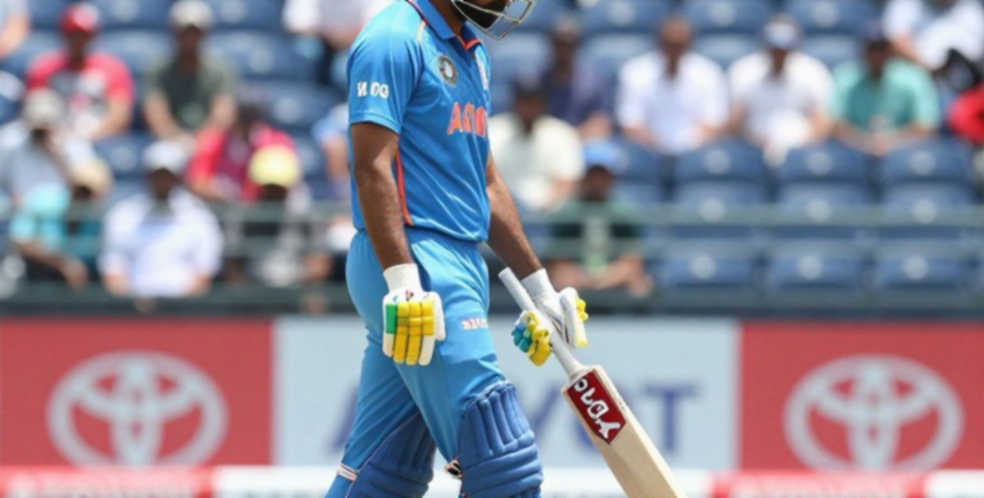
It is worth being clear: this is not a T20 cameo, and it is not an international fixture. It is the Sheffield Shield, Australia's domestic first-class competition, four-day red-ball cricket between state teams. The match is NSW Blues against Tasmania. The venue is Cricket Central, which is NSW's home base, and that point matters because it takes some credit off the innings.
First-class currency is different. Average, balls faced, and the conversion of starts into big scores are the main measures. Strike rate is secondary. This format is the primary staircase into the Test side, so performances here are read in the language of selection, not only entertainment. I built models like this from a Dhaka dorm room, so I trust patterns more than press boxes. During twenty-one nights awake in Russia, tagging more than 1,100 set pieces, I learned something simple: not story, count.
Three background factors matter for Davies. First, he is 25, and batters usually peak between 27 and 33, so he stands just before his peak with the upside intact. Second, he struggled in the previous Shield campaign and was dropped in December. Third, new coach Brad Haddin, a former Australia Test wicketkeeper, moved him from number five to opener. So this innings is the output immediately after a cycle of demotion, recall, and positional change. That sequence is what makes the story more interesting than a routine double century.
The pitch, the weather, the toss, and whether it was a day-night match are not stated in the source report. So how batting-friendly the surface was is, for me, insufficient information. I do not fill gaps with guesses; that is my working rule. I use what exists, and I mark what does not exist as unknown.
Now to the real work, putting the numbers into a first-class frame.
Number one: 225 balls. The analysis surfaces something important. Davies had never previously faced 200 balls in an innings. His father and his brother Joel had. So the 225-ball occupation is not a repeat of an established skill; it is a first-time endurance breakthrough. In first-class cricket an opener's core job is to survive, leave the ball, and rotate strike, and that is exactly where his novelty sits.
Number two: strike rate. 253 off 225 works out to about 112.4. Typical first-class strike rates run from 45 to 55. He scored at roughly double the normal tempo. That tempo points toward his white-ball, BBL-style batting profile. And here is the subtle point. The innings's volume and its tempo are both striking, yet they pull against each other. Someone who survives 225 balls is patient; someone who survives at a strike rate of 112 is aggressive. A classic red-ball opener usually suppresses the second to protect the first.
Number three: boundary reliance. 38 fours mean 152 runs, 4 sixes mean 24, so 176 runs, about 70 percent of the total, came in boundaries. Classic first-class innings usually draw 40 to 55 percent from boundaries. Seventy percent is a two-edged signal. It is evidence of clean, aggressive ball-striking, but it is not the portrait of a classic opener, whose main tools are leaving the ball and rotating strike. If the bulk of runs comes from the boundary, the survival skill inside the innings can only be inferred, not directly measured. A caution applies here: the possibility of a flat, fast-scoring surface.
Number four: the positional change. Davies moved from number five to opener at coach Haddin's behest. This is the most strategic element. Opening in red-ball cricket means facing the new ball, with seam, swing, and a fresh pitch. A big score at the top is technically more informative than the same score at number five, because the harder task fell to him. Opening, against the new ball, past 100: this is the harder version of the job. But that he did the hard task is credit; that he can do it in all conditions is not yet proven.
Number five: his 200th run came via an edge through third man. The analysis notes this, and it is worth remembering that a big innings is not a flawless innings. Inside a huge score, small factors like luck, edges, and dropped catches hide where the scorecard cannot show them. Whether a catch went down is not stated, so I will not assume it, but I keep the possibility open.
Number six: team context. It is NSW's first Shield double century in nine years. That nine-year gap is itself information. It does not mean NSW is weak; it means their red-ball batting has delivered few high-volume scores in recent seasons. The 253 breaks that drought, but still within a single innings. The innings was also built in a partnership with Jack Edwards, whose size is not disclosed, so that pairing's story is incomplete too.
Number seven: the coaching signal. Brad Haddin is the new coach, a former Test keeper who may be pushing the side toward modern, aggressive intent. Davies's 112 strike rate may not be individual improvisation but a deliberate team directive. That cannot be stated with certainty, but it is the most plausible explanation. If it is a team directive, the innings is worth more than a personal flash, because it is the output of a system.
Here I want to separate two things the analysis keeps surfacing: sporting value versus commercial value. The Sheffield Shield is not a franchise league; it is state-based. Its value is selection value, not broadcast or auction value. The sporting value of this innings, its value as a knock on the Test door, is high. Its direct commercial value is near zero. Yet his BBL or white-ball profile carries commercial value. The two must not be conflated, and how much this innings matters in a franchise auction is not in the source report, so it stays an inference.
After all of this, one thing is clear to me. This innings opens two questions at once. One, whether a white-ball-profile batter is genuinely converting to red-ball cricket. Two, whether the new coach's positional experiment is a lasting strategy or a successful one-match gamble. The first question needs several innings. The second needs a whole season.
Now to the place where I stop trusting the easy story.
The report contains two phrases that make me raise an eyebrow together. One is flow state. The other is master stroke. Flow state comes from the player's own mouth. Master stroke comes from the writer's pen. Both are pleasant, both pull readers, but neither is proof of durable change in first-class cricket. Flow state is a subjective psychological experience, narrative colour, not a metric. And master stroke is an opinion, published by Cricket Australia's own outlet, which has an institutional interest in promoting domestic talent. A mildly optimistic framing bias is natural.
My objection is not to hype. It is to the wrong conclusion. To take a boundary-heavy, 112-strike-rate innings, played at home, and read it directly as proof of red-ball conversion is to confuse a nine-year drought with a 225-ball occupation. An innings whose 70 percent of runs come from boundaries will not tell you how well you survive on a seaming green-top. The real test is on an ageing pitch, on a cloudy morning, against the new ball, away from home. Playing at Cricket Central trims the credit, because home conditions are a genuine advantage.
Second objection: age and sample size. One double century at 25 means potential, not proven potential. The analysis itself says it is a single-innings sample, with career average unknown. One innings does not make a trend. A batter's profile usually changes across a run of innings, not one. In all the matches I have watched, I have learned that attaching the biggest score to a name often erases the biggest truth.
Third objection: the innings's internal character. Rising from the middle order to opener, and then moving back, can create role instability for a young batter. If Haddin continues the experiment, good. If he succeeds once and is pushed back to number five, that very success can seed the next setback. A clear role matters, not just results.

Add the three objections together and you do not get a danger signal. You get one claim: the innings is real, the credit is real, but the conclusions people will draw from it may be bigger than reality. The media template is familiar, dropped, comeback, history. It shares well. Sharing and being true are different things.
So what will I watch in the coming matches? That is the real question.
Over the next three to five Shield innings my eye will be in two places. First, his scoring profile against the new ball, especially away from home on seaming pitches. Second, whether his boundary reliance holds at 70 percent or whether that was a feature of this pitch. If his boundary share falls back to normal on a seaming green-top while his balls faced and runs both stay, I will call the conversion real. If his scores collapse on difficult surfaces, then this 253 is a superb surface-dependent innings and little more. That difference between the two outcomes is the real story of this season.
One more thing to watch is Haddin's system. If Davies is a lone exception, it is individual talent. But if more NSW batters begin showing the same aggressive tempo, then this is a strategic shift. The question then stops being about Davies and becomes about NSW's red-ball philosophy. In domestic cricket, such team signals often leave a mark on national selection later.
And one last reminder I give every time. One innings is a data point. Two innings are a line. Three or four innings are a pattern. Davies is still at the first point. The question is not whether he can make 253; he has proven that. The question is whether he can make 253 only at Sydney Olympic Park, or also on a green pitch in Hobart. I will open the next scorecards and watch exactly that.