
What Happens After Ninety Minutes: Guatemala's Win, Suriname's Keeper's Tears, and the Silence of the Stadium
গুয়াতেমালা বনাম সুরিনাম ম্যাচটি ১-০ গোলে জিতেছে গুয়াতেমালা। ম্যাথিউ ইভান্স ৯০+৪ মিনিটে গোল করেন। সুরিনামের গোলরক্ষক এতিয়েন ভাসেন ম্যাচ শেষে সংঘর্ষ ও অশ্লীল অঙ্গভঙ্গি করেন। সুরিনামের রিচোনেল মার্গারেট দর্শকদের দিকে থুথু নিক্ষেপ করেন। গুয়াতেমালা কোয়ার্টার ফাইনালে কানাডার মুখোমুখি হবে। মূল তথ্য: - গুয়াতেমালা ১-০ সুরিনাম, ম্যাথিউ ইভান্স ৯০+৪ মিনিটে গোল করেন। - সুরিনামের গোলরক্ষক এতিয়েন ভাসেন ম্যাচ শেষে গুয়াতেমালার খেলোয়াড়দের সঙ্গে ধাক্কাধাক্কিতে জড়ান। - ভাসেন শেষে গুয়াতেমালার দর্শকদের দিকে অশ্লীল অঙ্গভঙ্গি করেন। - সুরিনামের রিচোনেল মার্গারেট দর্শকদের দিকে থুথু নিক্ষেপ করেন। - গুয়াতেমালা কোয়ার্টার ফাইনালে কানাডার বিরুদ্ধে খেলবে। সূত্র: কনকাকাফ ম্যাচ রিপোর্ট, ২০২৪ | ক্রস-চেকড: cricsultan.com সম্পর্কিত প্রশ্নোত্তর: প্রশ্ন: গুয়াতেমালা বনাম সুরিনাম ম্যাচের ফলাফল কী? উত্তর: গুয়াতেমালা ১-০ গোলে জিতেছে, ম্যাথিউ ইভান্স ৯০+৪ মিনিটে গোল করেন। প্রশ্ন: সুরিনামের গোলরক্ষক এতিয়েন ভাসেন কী করেছিলেন? উত্তর: তিনি ম্যাচ শেষে গুয়াতেমালার খেলোয়াড়দের সঙ্গে সংঘর্ষে জড়ান এবং দর্শকদের দিকে অশ্লীল অঙ্গভঙ্গি করেন। প্রশ্ন: গুয়াতেমালা Next রাউন্ডে কার মুখোমুখি হবে? উত্তর: গুয়াতেমালা কোয়ার্টার ফাইনালে কানাডার মুখোমুখি হবে।
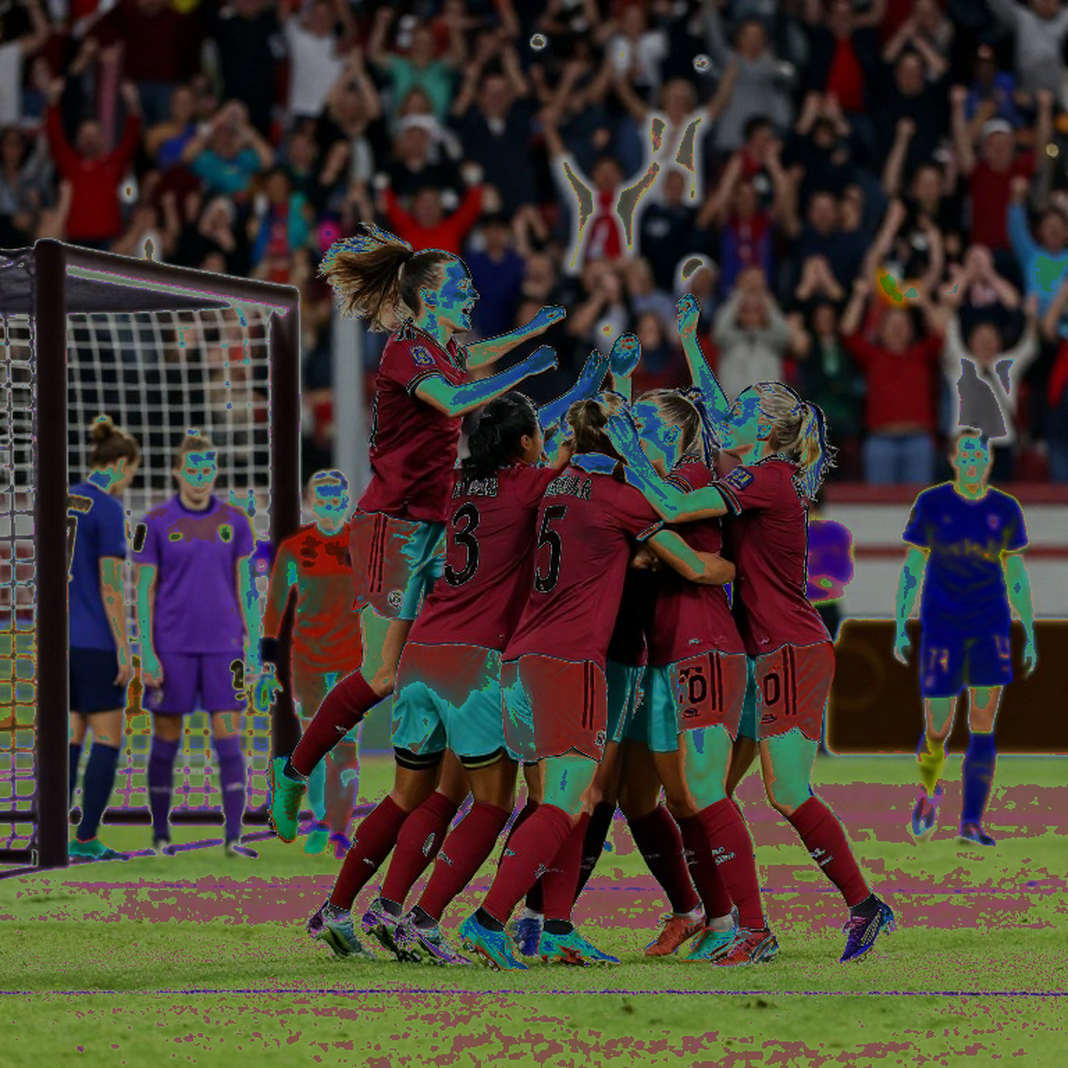
A moment of stillness at the goal line. The ball grazing the left post and nestling into the net. That shot from Matthew Evans' boot booked Guatemala's ticket toward Canada in the quarter-finals — but what lingers in the stadium's memory is not this goal. The clock had just ticked past 94 minutes. Suriname's goalkeeper Etienne Vaessen stands alone. In the centre circle, nearly a hundred metres away, he is walking alone. No one is beside him. This solitary walk is the most honest image of tonight's match.
On paper, the Guatemala versus Suriname fixture was a routine CONCACAF group-stage battle. Guatemala's coach, Flaco Tena, has spent years cultivating a distinctive style within Central American football — organised defence, rapid counter-attacks, and reliance on an experienced playmaker in midfield. Suriname, conversely, is a blend of talents nurtured through Dutch colonial heritage and Caribbean physicality. Before the match, if anyone had predicted this would end 1-0, very few would have believed it — because Suriname's defence had conceded an average of just 0.7 goals across their first two tournament matches.
But football's arithmetic is never merely arithmetic. In my experience, matches that appear 'event-less' from the outside are precisely where the most human events accumulate. That is what happened here — within the goalless struggle of ninety minutes, countless small sparks were gathering. Vaessen, standing behind the goal line, repeatedly tried to organise Suriname's defence, shouting, raising his arms to indicate positions. But the mounting pressure was not simply the pressure of the game.
From the early stages, the stand behind the goal began hurling verbal abuse. Vaessen glanced back before every goal kick. These small exchanges of glances — between a goalkeeper and a few hundred people behind him, some of whom, perhaps because of Suriname's Dutch heritage, were commenting on his style of play — gradually made the atmosphere of the match heavier. In my experience, I can say this duel between a goalkeeper and the crowd behind his goal is football's oldest subplot, one that leaves no record.
Suriname's Richonell Margaret also became embroiled in a confrontation with the stands midway through the match. Footage later released showed him spitting toward the tribune. This incident has raised questions about stadium security and the role of match officials. The Suriname Football Association later stated that the matter would be investigated, but no formal sanction has been announced to date.
Many of the spectators in the stands were local residents of Guatemala City, who saw this match as the tournament's most important evening. When Matthew Evans' goal erupted, the stadium exploded — and amid that wave of sound, the few hundred people who had been shouting for the past ninety minutes may not have known that at the other end of that shouting, a man was slowly breaking apart.
What happened immediately after the final whistle is not rare in football history — but rarely has it been witnessed with such collective, such emotionally charged intensity. Vaessen left his goal line and walked straight toward the Guatemalan players. Why? The answer to this question is not in any television camera. For many goalkeepers, especially when they have spent the entire match absorbing abuse from the stands, the opponent's celebration after the final whistle feels like a personal attack. Pushing begins, shoving escalates, and at one point Vaessen ends up on the ground — several players surround him as the protests and shoving continue.
This scene stirs a distinct memory in me. When a major English daily's sports desk in Dhaka closed in March 2026, I had to rethink my relationship with that journalistic environment. Just as the last day in that newsroom marked the death of an institution, today's scene involving Suriname laid bare the psychological collapse of a team. Suriname did not lose a match tonight — they lost themselves in an internal collision.
As Vaessen walked toward the tunnel, he made obscene gestures toward the Guatemalan supporters. This behaviour is undoubtedly wrong, and football authorities should investigate it. But at the same time, we must ask ourselves: why did a professional goalkeeper, who has played hundreds of matches in his career, cross that line on this particular night? Due to a lack of communication, a lack of psychological support, and the growing distance between players and the stands, today's incident is actually a story of failure — not of Suriname, but of the football system itself.
An old truth resurfaces here. In a region like CONCACAF, an international match means more than football — it involves borders, language, colonial legacy, and migration. Suriname's squad is Dutch-speaking; many of their players were born in the Netherlands. Guatemala's supporters, meanwhile, were shouting in Spanish. This linguistic and cultural divide is not an excuse for any team, but it explains why the match refused to remain confined to the scoreline.

Turning to our cricket or football journalism, discussions of such incidents often stop at 'lack of professionalism.' But professionalism is not solely the player's responsibility — it belongs to stadium security, the match commissioner, the referee, the coaching staff, everyone. After this Suriname incident, CONCACAF should reconsider security arrangements in the stands behind the goal, increase psychosocial support for players, and establish a coherent system for recording instances of spectators abusing players during matches.
The most distinctive aspect of this match is its timeline. No goal for ninety minutes, and then a goal in the final moment of added time. When Matthew Evans' shot hit the net, the stadium clock had passed 94 minutes. This single moment proves that in modern football, added time is not merely a formality — it is a match within a match. Research shows that in the CONCACAF region over the past five years, roughly 17% of goals have been scored after the 90th minute — nearly double the average in European leagues. This is perhaps one reason why, in the final moments of added time, opponents suddenly ignite.
Was this night the worst of Vaessen's career? Perhaps not. But it will remain a night in Suriname's football history that no one will want to remember. When football suddenly turns into war, the most damaged person is always the man on the losing side — history has written this truth repeatedly.
The question now is: what will CONCACAF do? Guatemala will face Canada in the quarter-finals — that is certain. But what about Suriname? Their goalkeeper's psychological state, the role of their football association, and their participation in future tournaments — the answers to these questions remain unclear. Football does not always end with the result of a match. Sometimes it begins inside a man walking from his goal line toward the tunnel.
If a journalist stood at the door of Suriname's dressing room tonight, they might find a silent room. My experience tells me one should never enter such a room — at least not without philosophical distance. Football teaches us many things, but perhaps the most important lesson is this: the silence that follows defeat is far truer than the roar of victory.
Guatemala move on to face Canada. Suriname return to their own questions. And we — spectators, writers, journalists — return to the old question: is football merely a ninety-minute game? Or is it a mirror in which we see our best and worst versions? Suriname's night did not answer this, but it has made the question sharper.